Who Pays When a Stolen Lead List Becomes a Lawsuit? The Liability Chain for Insurance Agencies
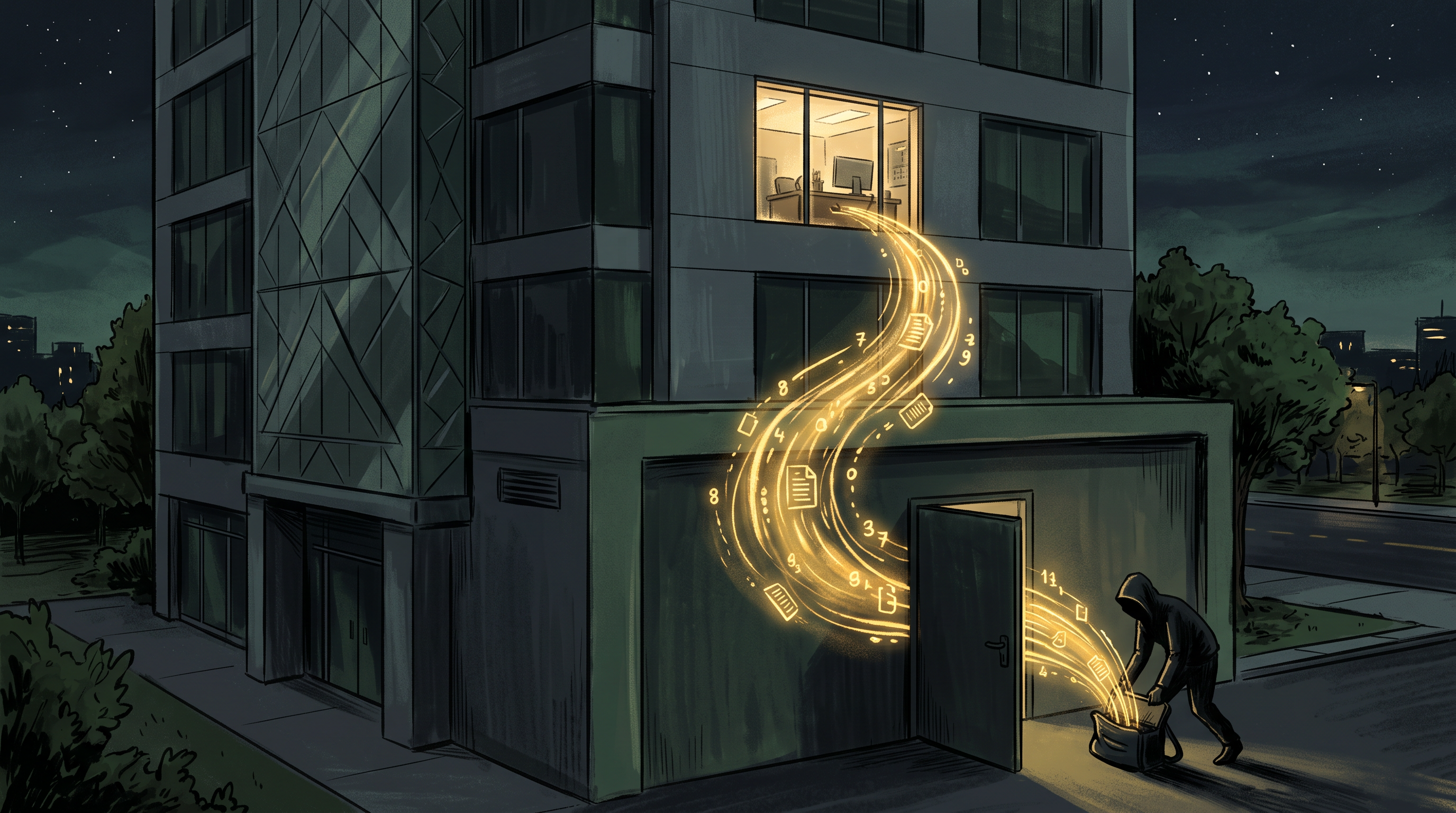
When lead data is stolen, the regulator, the plaintiff, and the E&O carrier all come to the licensee — your agency. The vendor is rarely the one who pays.
When a lead list is stolen, the first call you get is from your regulator, not your client. The second is from a plaintiffs' attorney. By the time the third call arrives — from your E&O carrier — you are already three layers deep in liability you assumed the moment you stored the data.
The instinct to blame the vendor is understandable and legally irrelevant. Under the frameworks that govern insurance data — the NAIC Insurance Data Security Model Law, state privacy statutes, and the TCPA — the licensee is the party of record. That means your agency, not your CRM vendor, not your lead provider, and not your dialer, is the entity that holds the notification obligation, the regulatory exposure, and the consumer-facing liability.
The Three Liability Layers of a Lead-Data Breach
A single breach of improperly stored lead data can trigger three independent liability streams simultaneously:
- Regulatory liability under the NAIC Model Law — you owe your state insurance commissioner a notification, often within 72 hours of determining a cybersecurity event occurred.
- Consumer liability under state privacy laws (CCPA, the Colorado Privacy Act, and the growing patchwork) — consumers can pursue statutory damages for unauthorized access to their personal data, and in some states they don't even need to prove harm.
- Telemarketing liability under the TCPA — if the stolen records included consent data, the breach can expose the gap between what you claimed you had and what you can actually produce, which is exactly what a plaintiffs' attorney will subpoena.
Why the Agency, Not the Vendor, Pays
The reason the liability lands on the agency is structural. The consumer never gave consent to the vendor; they gave it to the entity that called them. The regulator licenses the agency, not the platform. And the E&O policy covers the licensee's acts and omissions — it does not indemnify a vendor's failure unless you structured that indemnity in writing, which most agencies never do.
This is why the security posture of your CRM is not a vendor concern you can outsource — it is the control layer that determines whether your agency survives a breach with its license intact. Our case studies document what a migration looks like when the receiving platform was built to be auditable, because that auditability is what shifts the regulatory conversation from "what happened" to "here is the evidence."
The Storage Decision That Decides Who Pays
The single storage decision that most determines liability is segmentation. A lead list stored in a flat, shared, unencrypted export is a breach waiting for a plaintiff. The same list stored with tenant isolation, encryption at rest, and per-user access controls is a breach that stays contained — one compromised credential reaches one agent's records, not the whole book.
The Takeaway
When lead data is stolen, the question is never "whose fault was it?" It is "who is on the hook?" — and the answer, in every framework that matters, is the licensee. Store lead data the way the agency that will eventually have to defend it would store it, and choose a platform built for that defense.
— G. David Humphries, Kaffeine Security