When the Russian Ransomware Gang Came for Change Healthcare: Why Your Insurance CRM Is the Soft Spot
BlackCat's $22M extortion of Change Healthcare exposed 100M records and froze prescriptions nationwide. The lesson for every agency: the platform you trust is the platform attackers target.
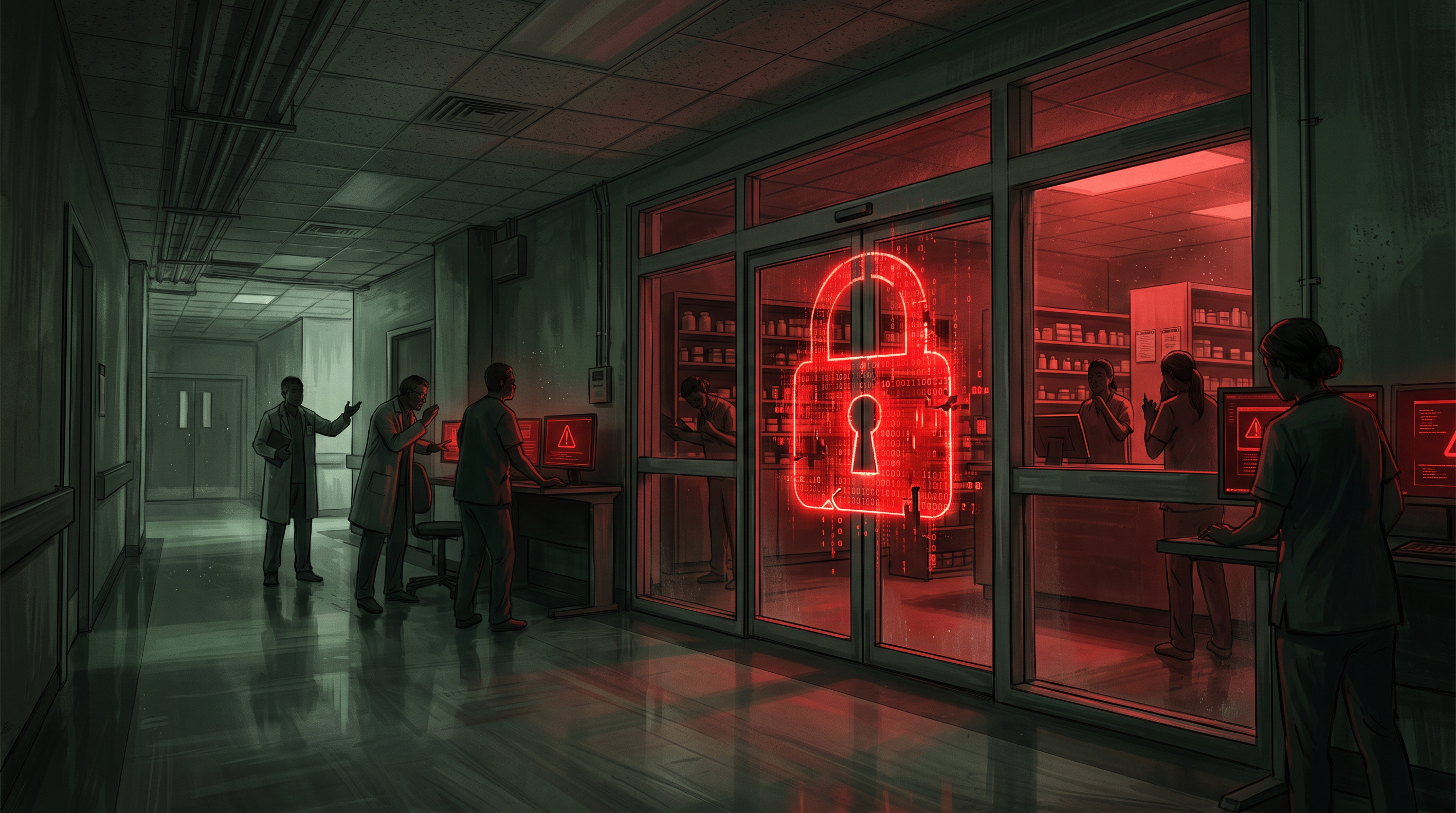
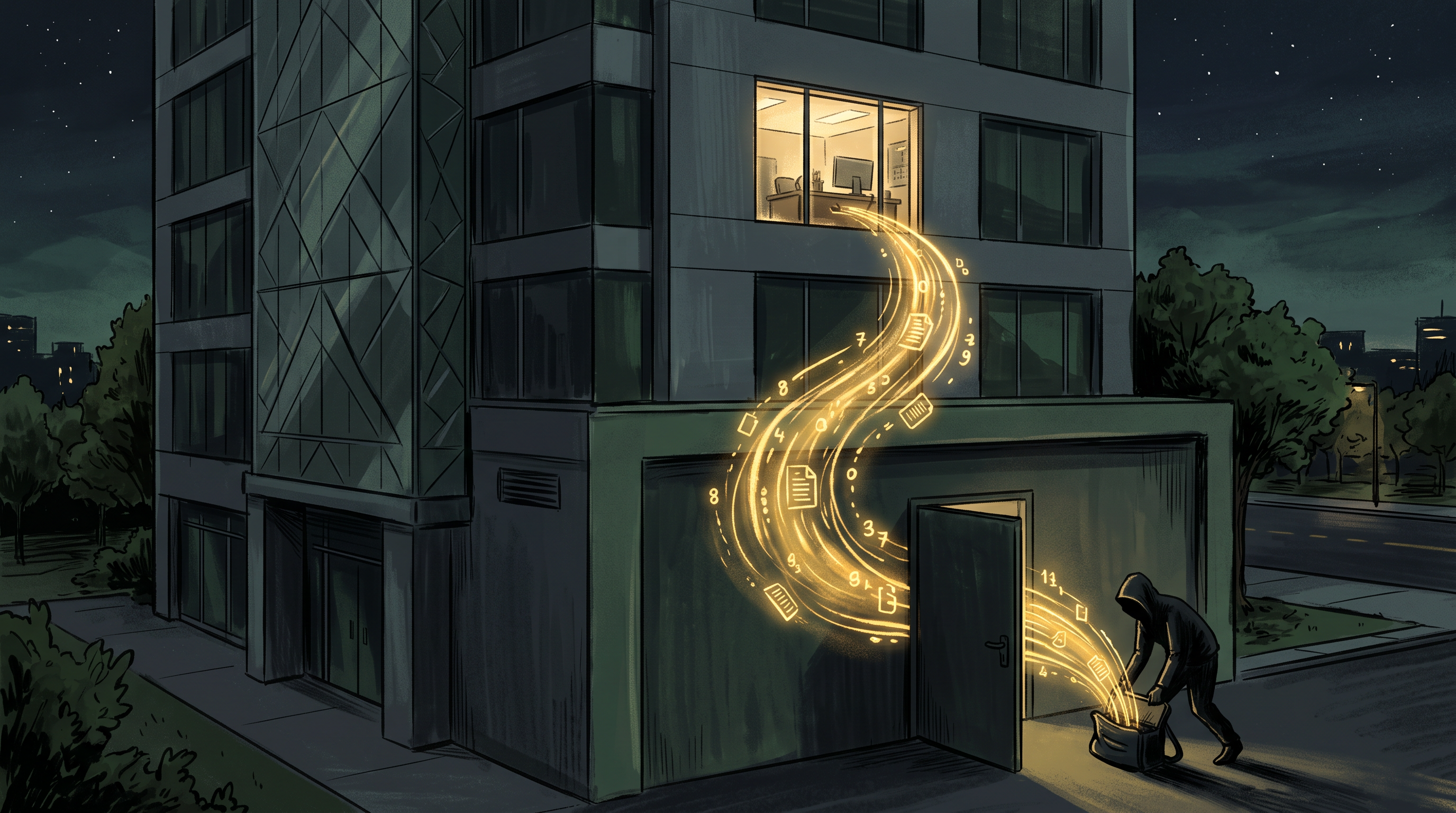
In February 2024, a Russian-linked ransomware gang called BlackCat (also known as AlphV) infiltrated the payment and claims systems of Change Healthcare, a subsidiary of UnitedHealth Group. The attack disrupted prescription drug fulfillment for hospitals and pharmacies across the country for the better part of two weeks. According to reporting by KrebsOnSecurity, Change Healthcare ultimately made a $22 million extortion payment for a decryption key and to prevent the publication of four terabytes of stolen data. The breach ultimately exposed the protected health information of an estimated 100 million individuals.
This wasn't a fringe incident. BlackCat operated a Russian-language ransomware-as-a-service operation, recruiting affiliates to deploy its payload against healthcare, financial services, and insurance targets. When the gang's internal dispute spilled onto the Ramp forum, it revealed what every carrier, FMO, and third-party administrator already feared: the data you hold for your producers and policyholders is exactly the data Russian-speaking extortion groups will lock up and auction.
The Soft Spot Wasn't the Carrier — It Was the Platform
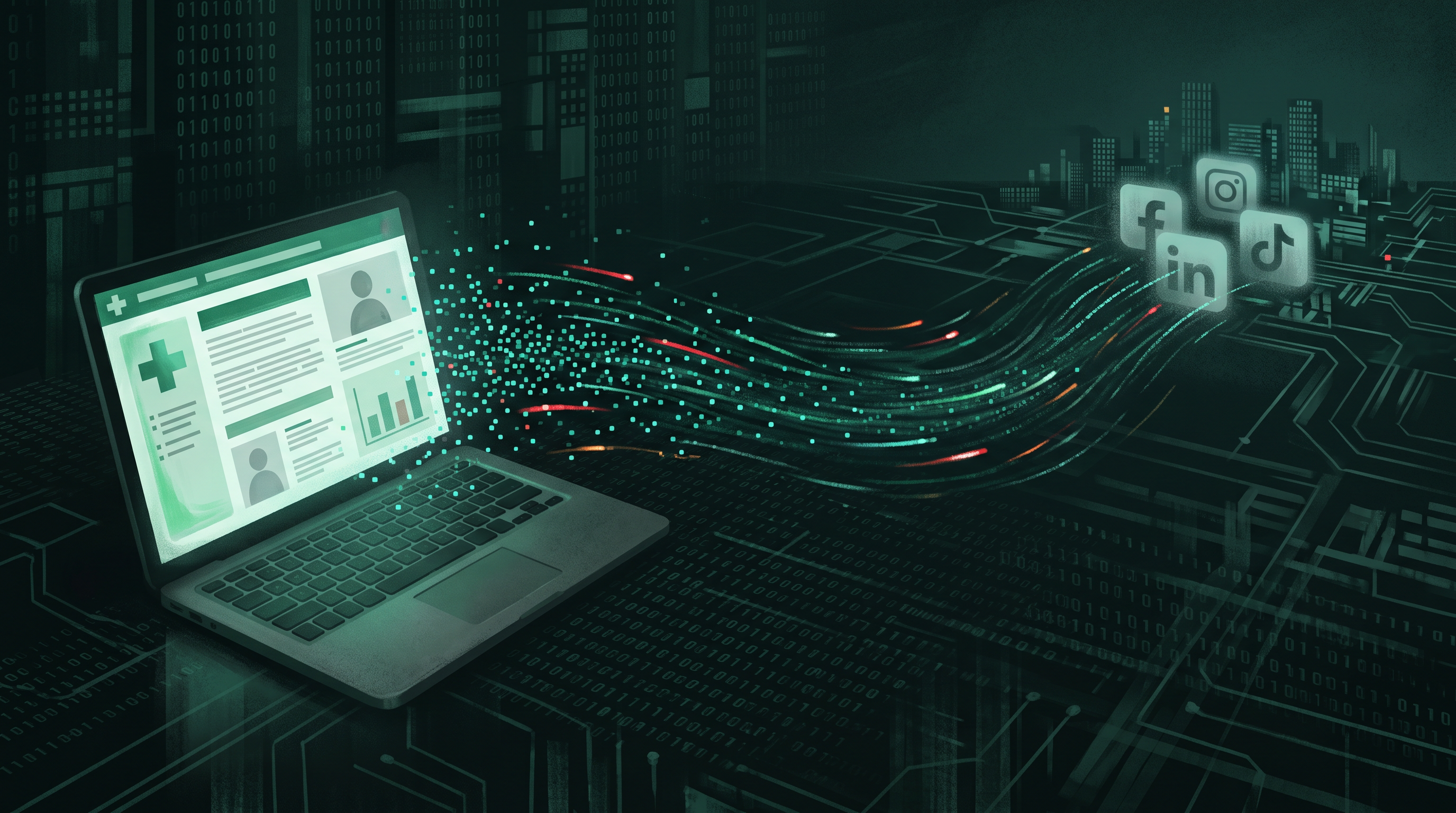
The Change Healthcare attack is the clearest example of a pattern now dominating the threat landscape: attackers don't breach the best-defended tier of an organization. They find the connected platform — the clearinghouse, the CRM, the TPA portal — that sits one trusted connection away from everything else. For independent agencies and FMOs, that platform is almost always your insurance CRM.
When the CRM holds unencrypted policy data, shared login credentials, and a flat permissions model, a single compromised vendor account becomes a tunnel into every book of business you manage. The ransomware doesn't need to beat your perimeter; it just needs to land in a system that your perimeter already trusts.
Why Defense-Grade Security Is No Longer Optional
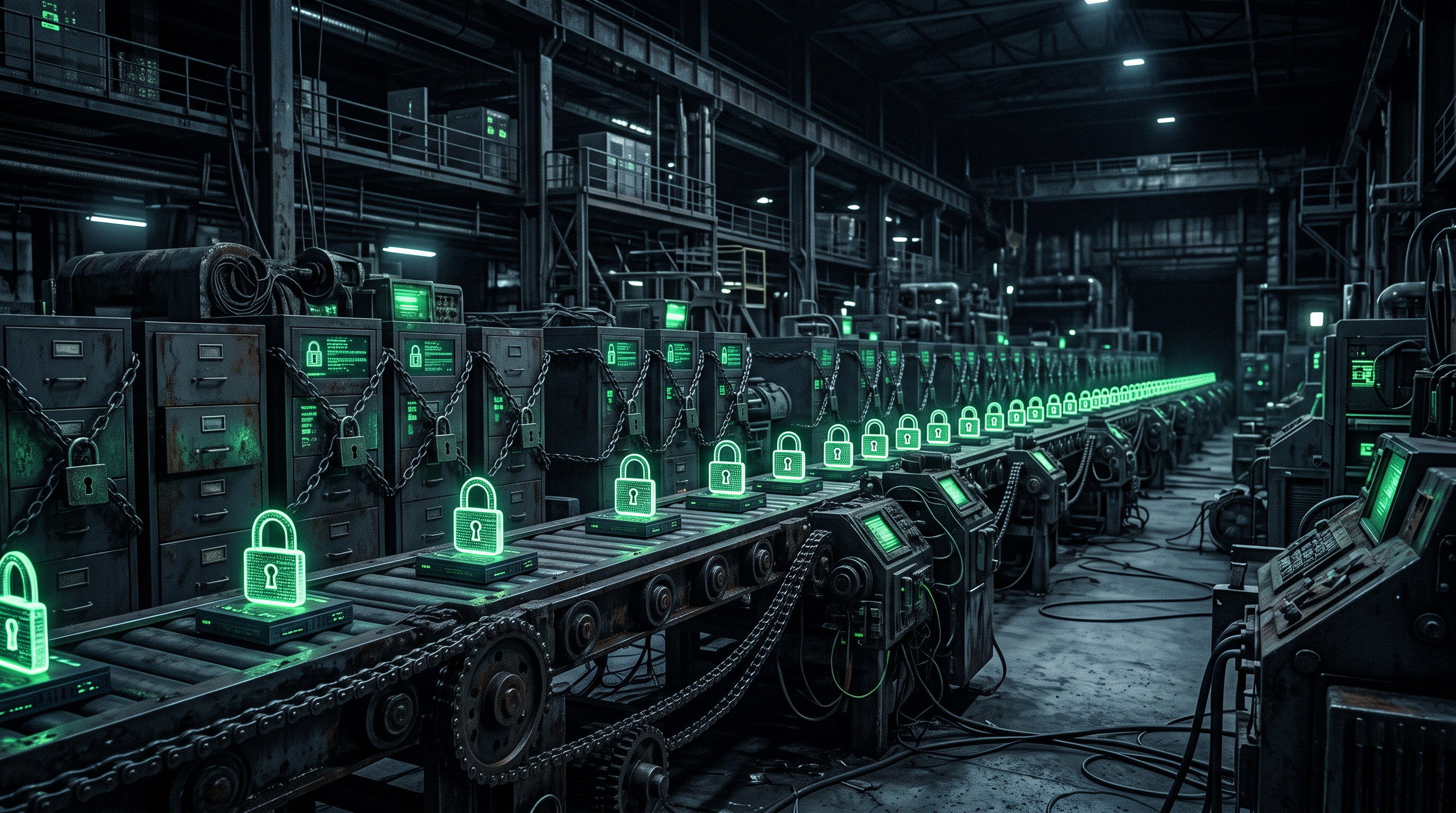
Defense-grade security used to be a marketing differentiator. In 2026, after Change Healthcare and a wave of similar incidents, it's the baseline expectation for any platform holding protected health information. Kaffeine was built from the ground up to meet that baseline — a HIPAA-compliant CRM with zero-trust architecture, AES-256 encryption at rest, TLS 1.3 in transit, and row-level security that keeps one agent's book of business invisible to every other agent in the agency.
If your current platform can't answer a simple question — "What happens to my data if your infrastructure is breached?" — you are carrying the same exposure Change Healthcare carried, just at a smaller scale.
The Recovery Math Nobody Wants to Do
IBM's 2024 Cost of a Data Breach Report pegged the average ransomware breach at $4.91 million, nearly twenty times the average ransom payment itself. The ransom is the headline. The real cost is the lost commission revenue during weeks of downtime, the breach-notification obligations, the regulatory fines, and the producer attrition that follows when agents lose faith in your platform.
For most FMOs, a two-week outage during Annual Enrollment Period is an existential event, not a line item. That's why our onboarding and data migration process treats continuity as a security control, not a feature.
The Takeaway
The Russians didn't need to defeat UnitedHealth Group. They needed to defeat the platform UnitedHealth trusted. Ask the same question about your own stack, and you'll understand why defense-grade security is the only responsible default for an insurance CRM in 2026.
— G. David Humphries, Kaffeine Security