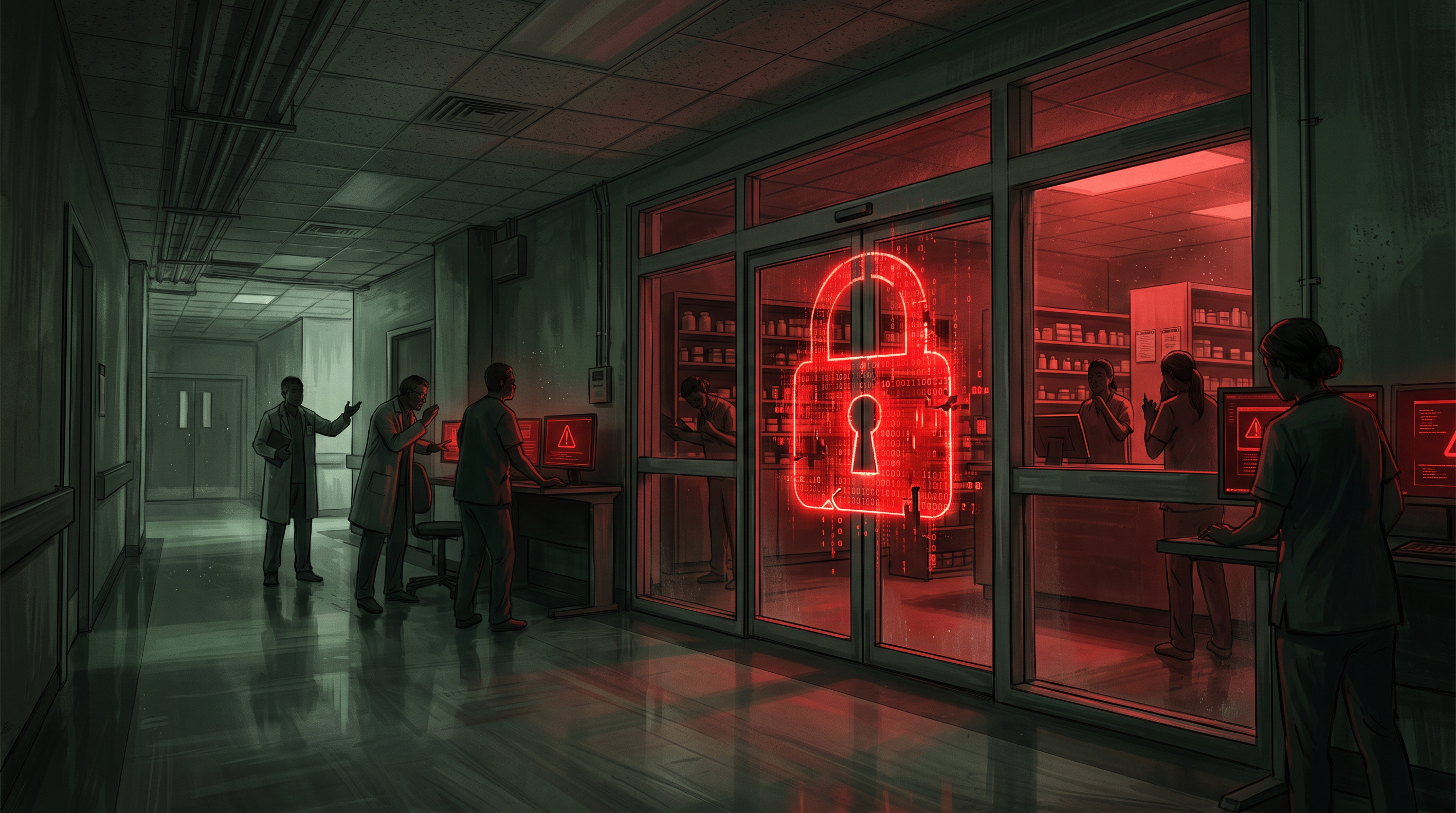
The Paylogix Breach: How a TPA Became the Back Door Into Thousands of Broker Records
Akira ransomware stole SSNs, health records, and passport numbers from a New York TPA. The downstream victims were plan participants who'd never even heard of the vendor.
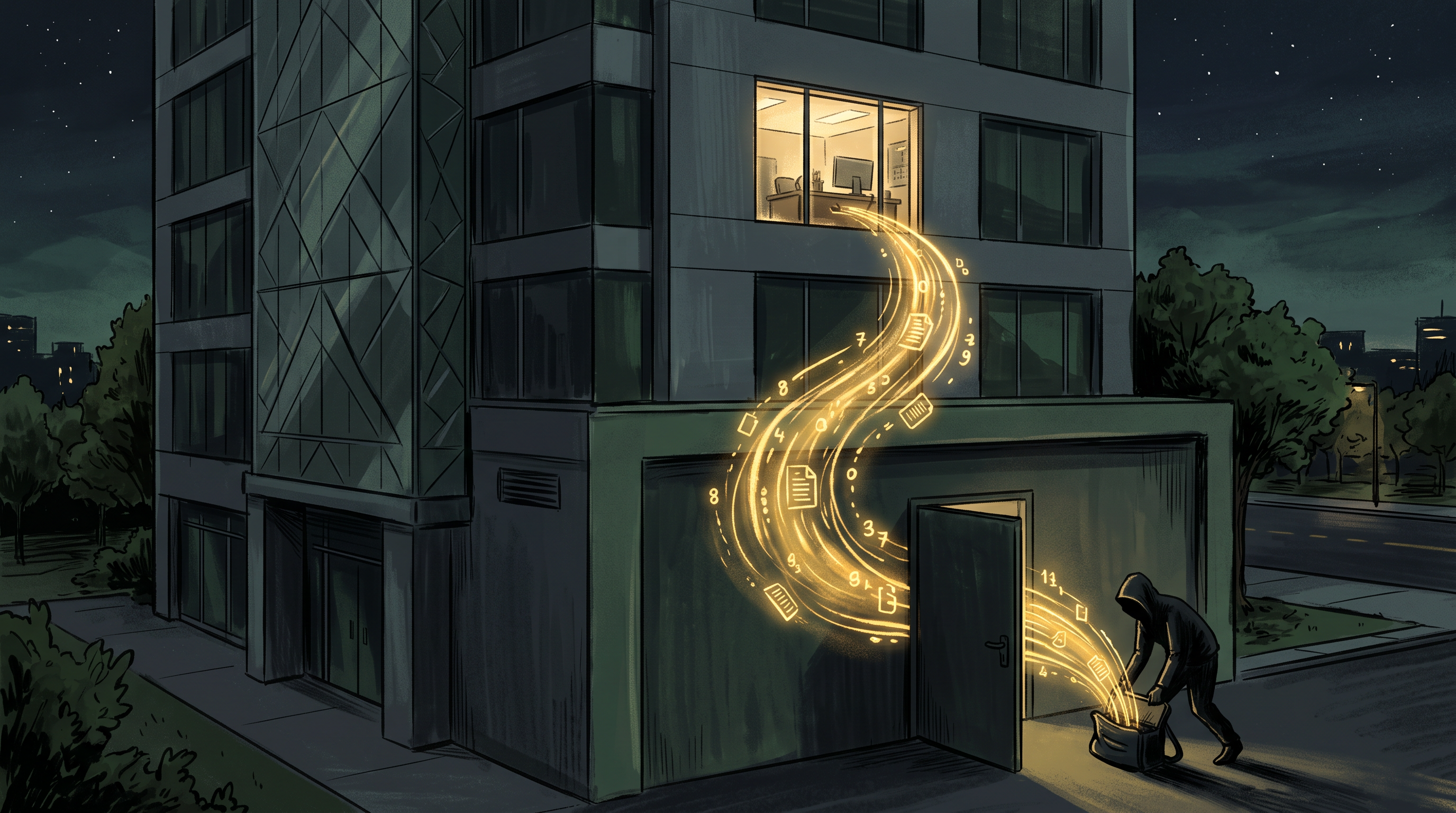
A third-party administrator in New York called Paylogix discovered what every benefits broker already suspected: the TPA you trust with enrollment data is the soft spot in your security perimeter. According to Insurance Business America, the Akira ransomware gang stole health records, Social Security numbers, financial account data, and passport numbers from Paylogix — data for every employee enrolled in the benefit programs it administered on behalf of employers and insurers.
Paylogix was added to Akira's leak site in January, and the exposure flowed downstream to plan participants who had never heard of Paylogix at all. That's the defining cruelty of TPA breaches: the people whose data is stolen were never your direct customer, yet they're the ones who suffer the identity-theft fallout.
Akira and the Russian Affiliate Model
Akira is a Russian-linked ransomware operation that uses a double-extortion model: steal the data first, then encrypt the systems, and threaten publication unless a ransom is paid. The FBI and CISA have flagged Akira as an imminent threat to critical infrastructure, with healthcare, financial services, and insurance as primary targets. Its preferred entry methods are credential theft and unpatched VPN vulnerabilities — exactly the weaknesses that a small TPA or benefits broker is least equipped to police.
If your vendors operate like Paylogix did — holding sensitive PII on shared infrastructure with limited segmentation — then your agency is one vendor breach away from a notification obligation you can't outsource.
The Vendor Security Question Brokers Never Ask
Most agency owners audit a TPA or CRM vendor on price, integration, and support. Almost none audit on security posture. The questions that matter are uncomfortable:
- Do you encrypt data at rest with AES-256?
- Do you enforce multi-factor authentication on every producer login?
- Can you produce a Business Associate Agreement, and does it actually cover breach response?
- Is each tenant's data logically isolated so a breach of one customer can't cascade to the rest?
A platform that can't answer those four questions in the affirmative is carrying the same exposure that put Paylogix on Akira's leak site. Kaffeine's security and compliance framework was designed to make every one of those answers a clear yes — because our customers shouldn't have to audit us to feel safe.
What Your CRM Vendor Owes You
Your CRM sits at the center of your agency. It holds policy data, commission records, producer credentials, and client PHI. When that platform is breached, you don't get to blame the vendor in front of your clients or your regulator — the notification obligation is yours. Commission tracking and lead management are the table stakes; the question that separates a safe platform from a liability is whether the vendor treats your data like a regulated asset or a growth metric.
The Takeaway
Paylogix didn't fail because it was careless. It failed because it held the kind of data that Russian extortion groups specifically hunt for, on infrastructure that wasn't built to resist them. Choose vendors whose security posture is the product, not a footnote — and make sure your onboarding and data migration process includes a real vendor-security review before you hand over a single record.
— G. David Humphries, Kaffeine Security