LockBit and the Russian Playbook: What Insurance Agencies Should Learn from a $120M Extortion Machine
LockBit extorted over $120M from 2,000+ victims — including insurers — before DOJ indicted two Russian nationals. The playbook is stable, industrial, and aimed at your data.
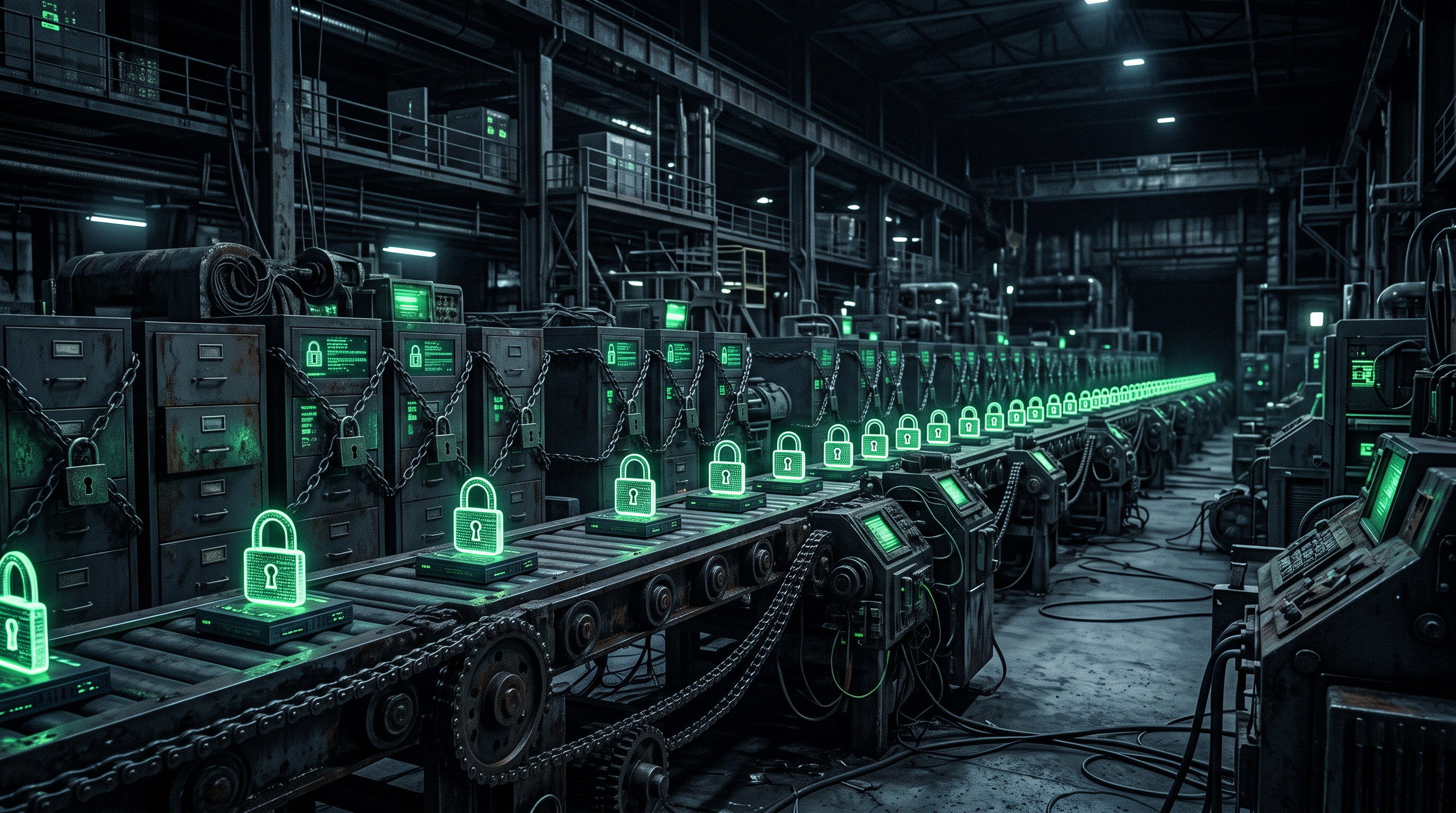
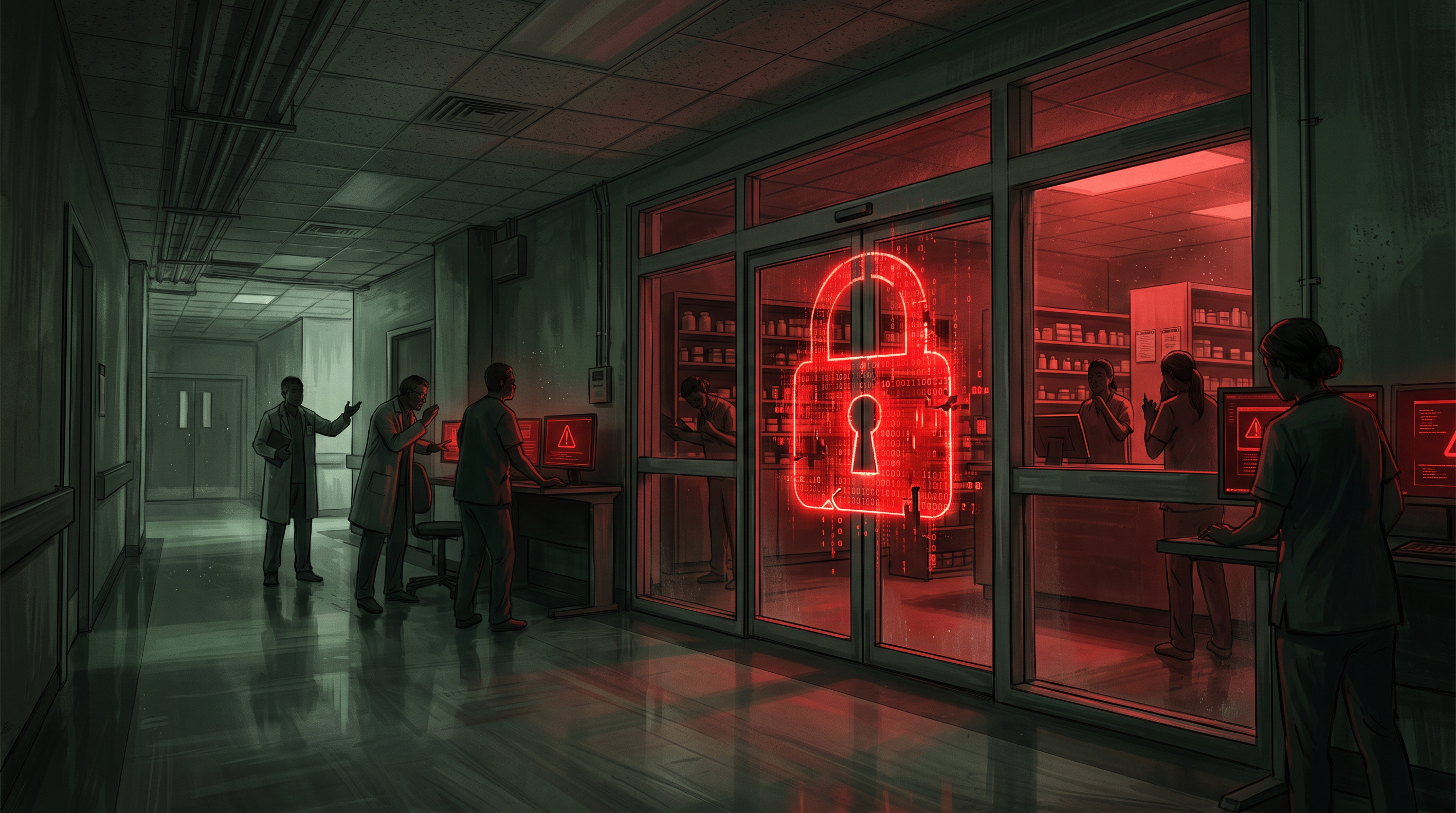
Before BlackCat made headlines against Change Healthcare, LockBit was the ransomware operation that defined the modern extortion economy. The U.S. Department of Justice has estimated that LockBit extorted more than $120 million from over 2,000 victims worldwide, deploying its ransomware against manufacturing, logistics, insurance, and healthcare targets through a ransomware-as-a-service model.
In 2024, the DOJ unsealed indictments against two Russian nationals — Ruslan Magomedovich Astamirov and Mikhail Vasiliev — alleging they deployed LockBit against victims across multiple sectors, including insurance. Law enforcement in the U.S., U.K., and Australia infiltrated and disrupted the group, but the disruption proved temporary: ransomware groups don't die, they rebrand. Corvus Insurance's Q1 2024 report put it plainly — ransomware groups multiply.
The Russian Operating Model
LockBit, BlackCat, Akira, and their successors all share a common structure. The core operators, largely based in Russia and adjacent jurisdictions beyond the reach of U.S. extradition, build the malware and the negotiation infrastructure. Affiliates — often a separate set of criminals — rent access to the payload and split the proceeds. The result is an industrialized extortion supply chain in which insurance and healthcare data is a premium commodity because it's both sensitive and durable.
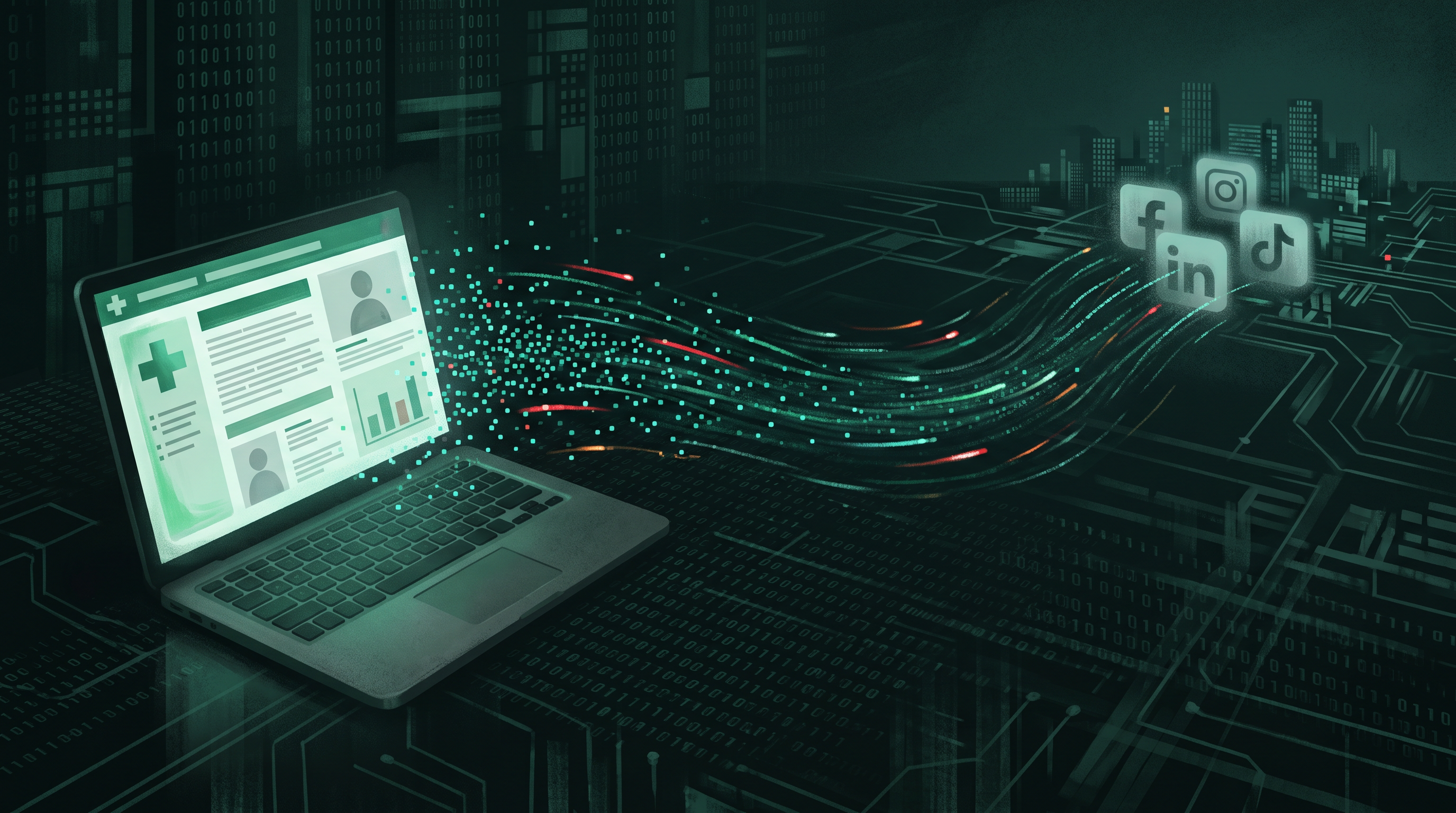
Insurance agencies are attractive not because they hold vast cash reserves but because they hold the kind of data that regulators force you to protect: names, dates of birth, Social Security numbers, policy details, and health information. That combination is exactly what makes a ransom payment tempting.
Why the Insurance Vertical Is a Preferred Target
Insurance sits at an uncomfortable intersection: heavily regulated data, distributed workforces, a reliance on third-party platforms, and commission-driven teams that prioritize speed over security. A producer who reuses a password across a carrier portal, an agency management system, and a personal email is a single point of failure for an entire book of business.
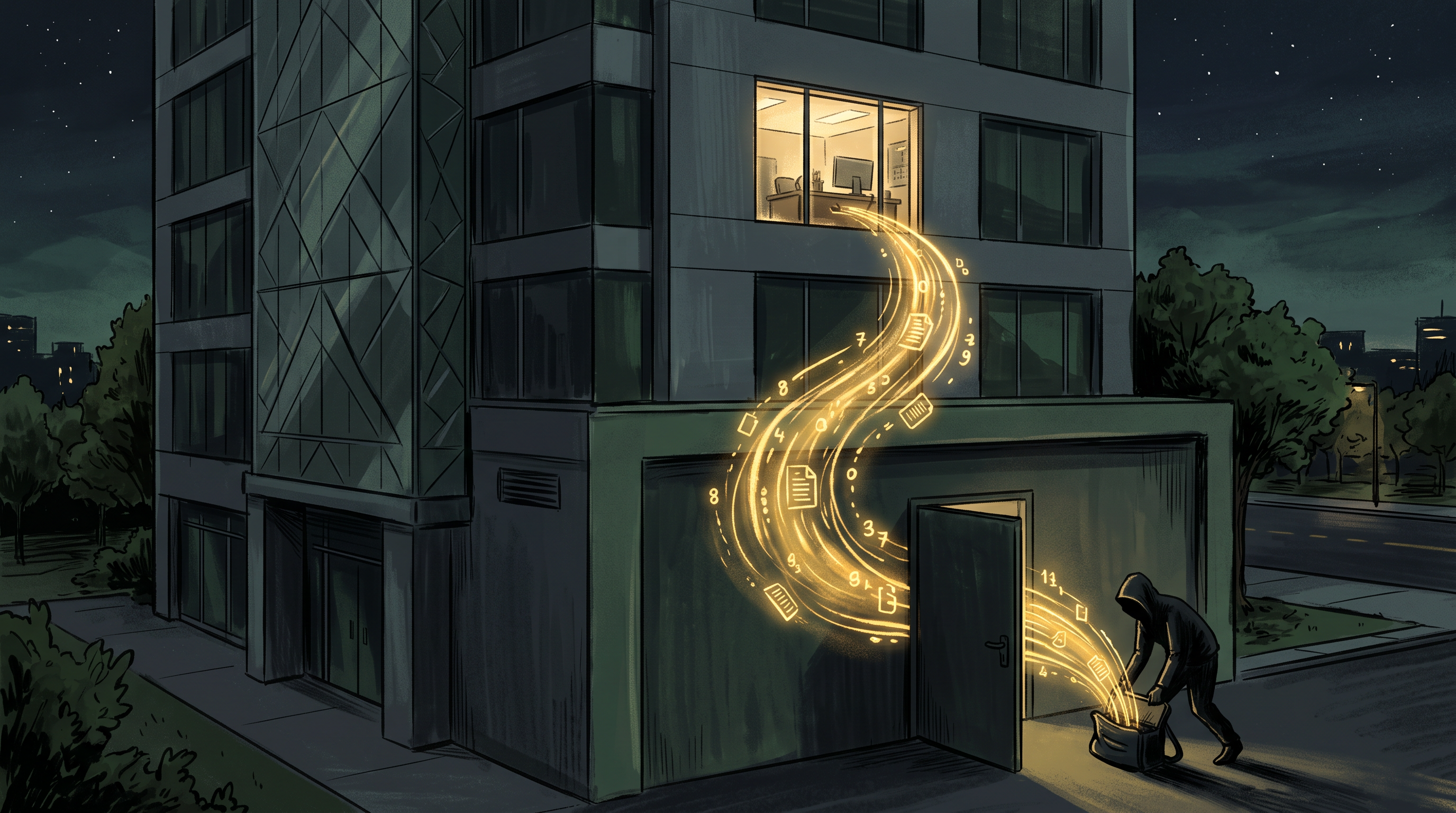
Defense-grade security isn't about building a higher wall. It's about removing the single points of failure — shared credentials, flat permissions, unencrypted exports — that turn one compromised account into a 2,000-victim event. Kaffeine was built with zero-trust architecture precisely because the LockBit playbook depends on lateral movement after the first breach.
The Cost Equation for a Smaller Agency
You don't need to be UnitedHealth Group to matter. A regional FMO with 200 agents and 40,000 policyholders holds enough PHI to justify a six-figure extortion demand, and enough commission flow to make two weeks of downtime a business-ending event. When you're evaluating platforms, the question isn't "can we afford defense-grade security?" — it's "can we afford the alternative?" Our pricing reflects the reality that security is a baseline, not a premium tier.
The Takeaway
LockBit will rebrand. BlackCat already did. The Russian playbook is stable, industrial, and specifically calibrated toward the data insurance organizations hold. The only durable defense is a platform architecture that assumes breach and limits blast radius — and a vendor whose security posture you can actually verify.
— G. David Humphries, Kaffeine Security