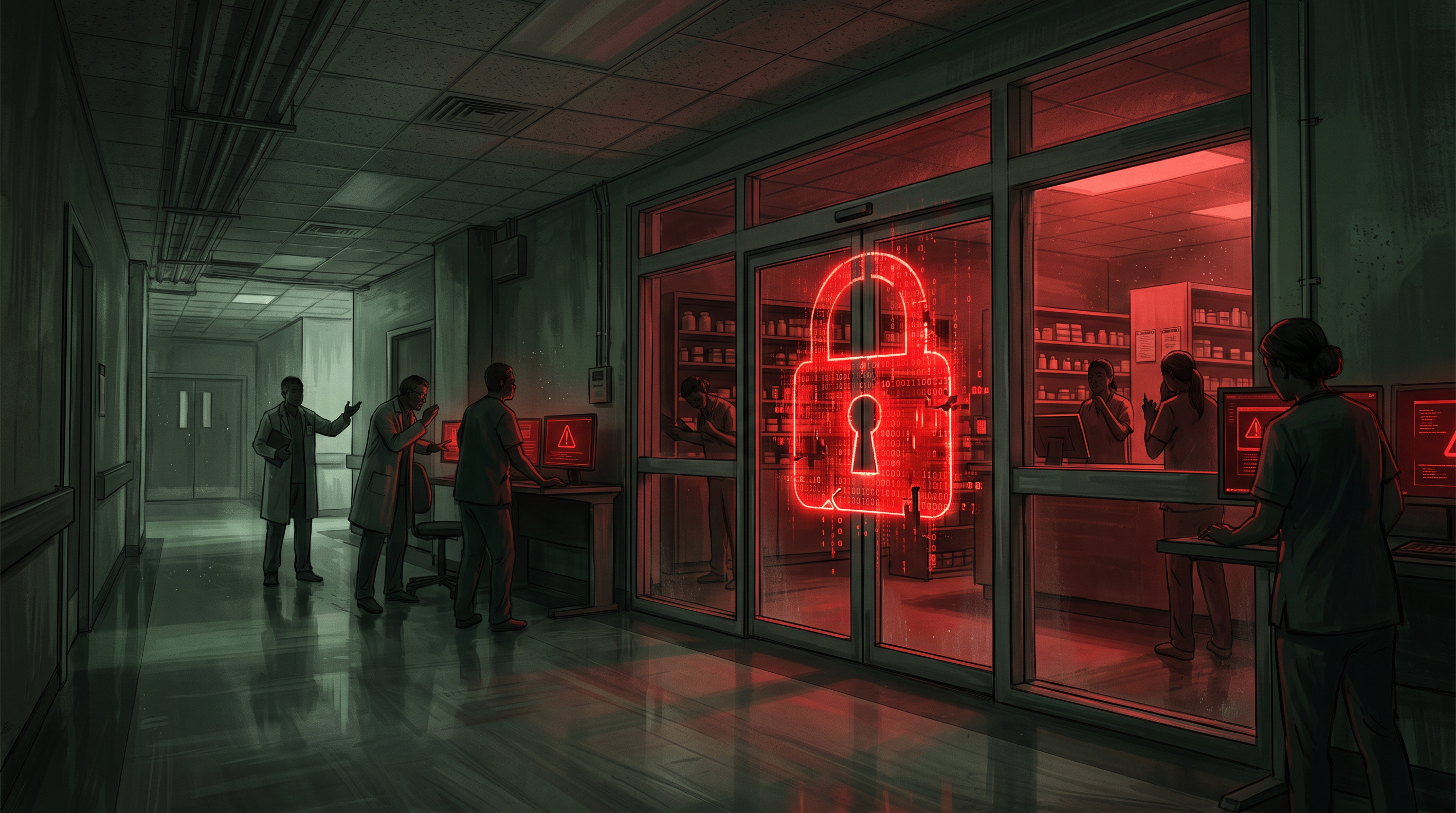
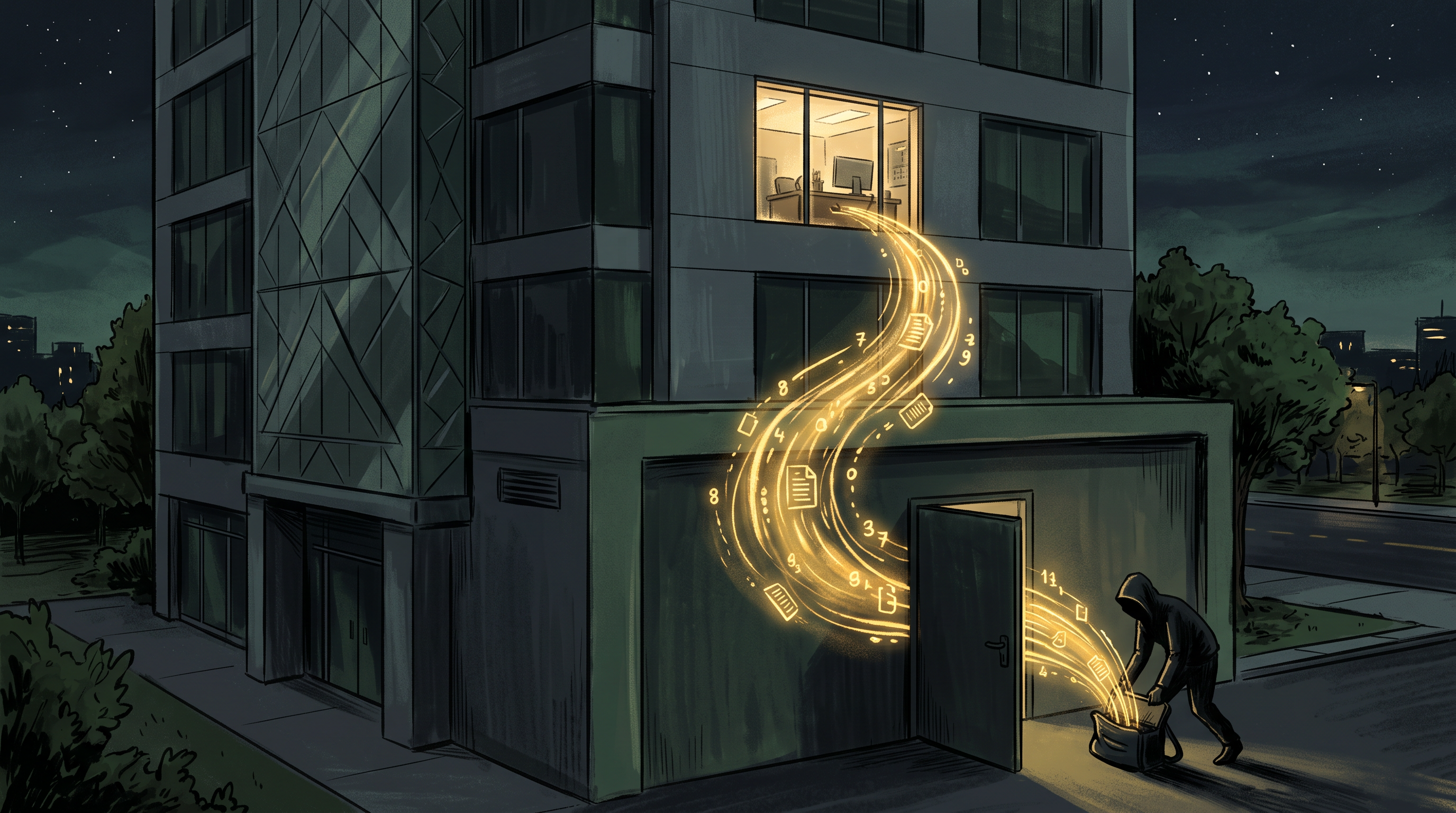
The 72-Hour Clock: How Improperly Stored Client Data Turns a Breach Into a Regulatory Event
The NAIC notification clock starts when you determine an event occurred — not when it did. If your data is scattered, you'll spend the whole 72 hours just scoping it.

The most underappreciated sentence in insurance cybersecurity regulation is this one: the clock starts when you determine a cybersecurity event occurred — not when it actually happened. Under the NAIC Insurance Data Security Model Law (MDL-668), a licensee must notify its state insurance commissioner as promptly as possible, and in no event later than 72 hours after that determination.
In practice, that means the way you store client and lead data dictates whether you can meet the deadline. An agency that keeps records segmented, logged, and queryable can determine scope in hours. An agency that stores client data across spreadsheets, personal email, and a shared network drive can spend the entire 72-hour window just figuring out what was exposed — and then miss the notification deadline entirely.
Why 72 Hours Is Shorter Than It Sounds
Seventy-two hours sounds like three days. It is not. By the time a breach is confirmed, you have already spent hours in forensic triage, legal review, and vendor calls. The actual window in which a licensee can assemble a complete notification — what was accessed, what categories of data, how many consumers, what states are involved — is often less than a full business day. State variations make it worse: the model guideline is 72 hours, but adopted versions range from 72 hours (South Carolina) to three business days in most states, five business days in Minnesota, and 10 business days in Michigan.
If your data is improperly stored — unsegmented, unencrypted, scattered across tools — the scoping exercise that should take hours takes days, and you blow the deadline in every state where you hold an appointment.
The Storage Decisions That Buy You Time
The agencies that meet the 72-hour clock are the ones that made storage decisions before the breach:
- Encryption at rest so stolen data is unreadable, narrowing the scope of what must be reported
- Access logging so you can reconstruct exactly which records a compromised credential touched
- Tenant isolation so a breach of one customer's data doesn't cascade into a multi-consumer notification
- Structured lead records so you can query "how many consumers in which states were exposed" in minutes, not days
Our security architecture was built around exactly these controls, because the 72-hour notification is not a writing exercise — it is a data-retrieval exercise that you either can or cannot perform under pressure.
What the Commissioner Actually Wants
A complete MDL-668 notification isn't an apology. It's a structured statement of what happened, what data was involved, how many consumers are affected, what states they live in, and what you've done to contain it. If your insurance CRM can't produce that statement from a query, your onboarding and data migration process should have included a data-architecture review before you ever loaded the first policy record.
The Takeaway
The breach isn't what triggers the regulatory event — the missed notification is. And the missed notification is almost always a storage problem disguised as a legal one. Store client data as if the 72-hour clock is already running, because the moment you confirm a breach, it is.
— G. David Humphries, Kaffeine Security